Why Health Focused Food Brands May Struggle Even With “Good” Products
26 January 2026
Brands and Consumers by Sheena Christensen
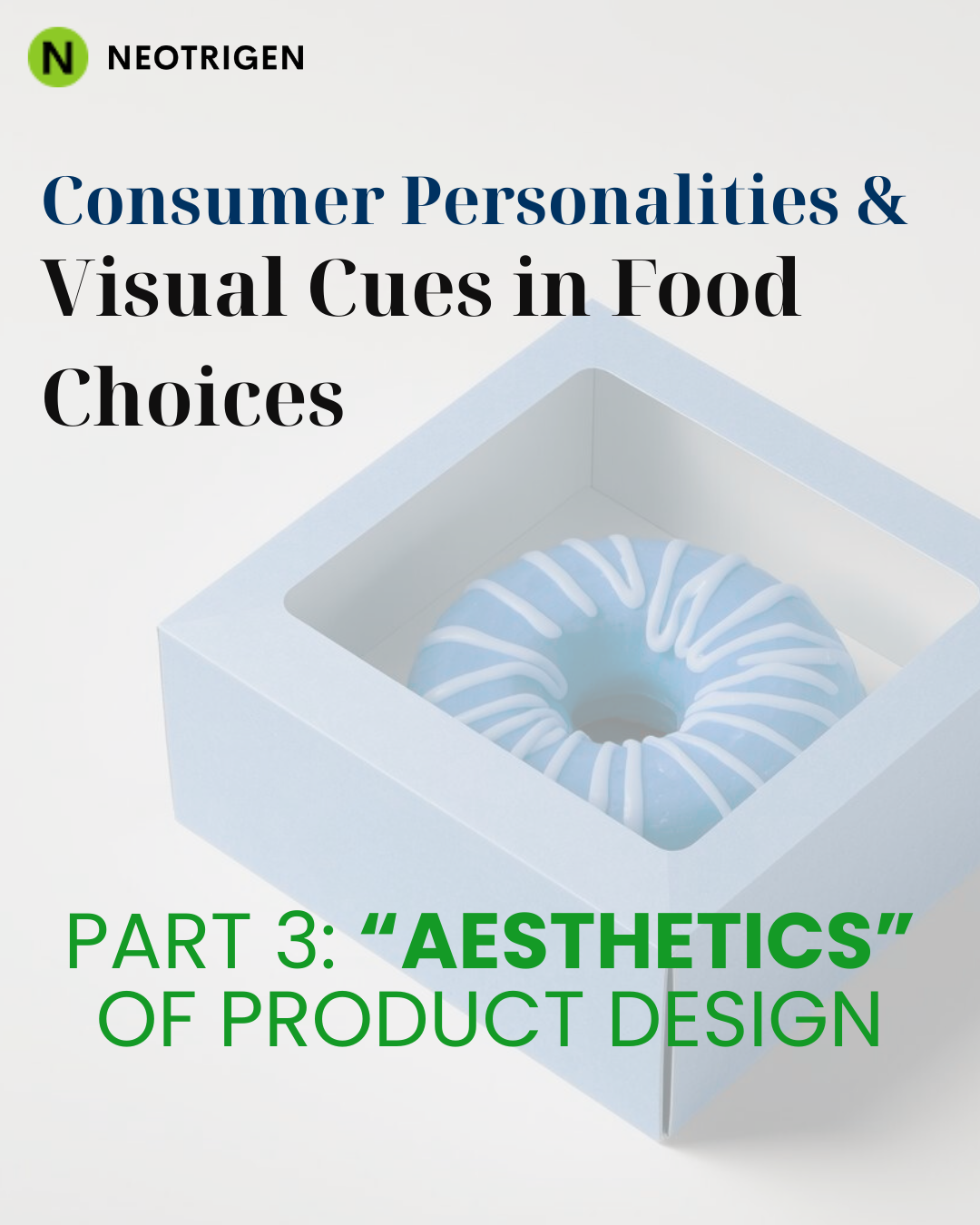
In today’s competitive food and nutrition market, consumers rarely choose products based on ingredients alone. The visual appearance of a product often creates the first emotional connection long before someone reads the label or checks nutritional information. Packaging aesthetics, design balance, typography, color flow, and overall visual identity quietly shape how consumers feel about a product within seconds.
This is where Consumer Personalities & Visual Cues in Food Choices become incredibly important. The aesthetics of product design influence trust, product expectations, emotional comfort, and purchasing behavior in ways many food businesses underestimate.
For brands competing in crowded grocery stores, specialty health markets, and online food platforms, understanding how visual aesthetics connect with different consumer personalities can significantly improve product appeal and customer engagement.
A product may have exceptional quality, clean ingredients, or innovative nutrition benefits, but if the visual presentation fails to connect psychologically, consumers often move on without a second glance.
Consumers process visual information extremely quickly. Before a buyer evaluates ingredients, health claims, or pricing, the brain has already formed impressions about quality, freshness, trustworthiness, and desirability.
This process is emotional as much as rational.
The aesthetics of food packaging influence questions consumers subconsciously ask themselves:
For modern food brands, food product aesthetics are not just about attractive packaging. They are part of the overall consumer experience.
In local supermarkets, specialty organic stores, and fast-growing online grocery markets, customers are often overwhelmed by choices. Products that create immediate visual clarity and emotional comfort naturally gain more attention.
Not every consumer reacts to design aesthetics in the same way. Personality traits strongly influence what people perceive as appealing, trustworthy, or exciting.
This is why understanding consumer personalities in food choices helps brands create packaging that feels aligned with specific buyer expectations.
Some consumers are naturally drawn toward simple, balanced, and organized visual aesthetics. They often associate minimalist packaging with:
These buyers typically prefer packaging that feels calm and intentional rather than visually overwhelming.
Minimalist food packaging performs particularly well in categories such as:
For health-conscious consumers, visual simplicity often creates a stronger sense of authenticity.
A cluttered design with too many claims, colors, or graphics can reduce confidence because it feels overly promotional rather than genuinely credible.
Other consumers enjoy visual excitement and sensory stimulation. Bright colors, unconventional layouts, oversized typography, and dynamic packaging structures attract attention because they feel different and memorable.
This design approach often works well for:
Consumers with adventurous personalities tend to engage more with packaging that feels expressive and emotionally energetic.
In highly competitive retail spaces, bold visual systems can help products stand out quickly, especially among younger audiences looking for novelty and experience-driven purchases.
One of the most overlooked elements in food packaging psychology is visual balance. Consumers instinctively judge whether a product feels “well-designed” even if they cannot explain why.
Balanced packaging layouts create perceptions of:
When design elements feel chaotic or disconnected, trust can decline immediately.
This matters even more in wellness and nutrition-focused categories where consumers are already cautious about health claims and ingredient transparency.
A clean visual hierarchy makes it easier for buyers to process information quickly without feeling overwhelmed.
For local food brands trying to compete against larger national competitors, strong aesthetic consistency can help create a more premium and trustworthy market presence.
Typography plays a surprisingly important role in how food products are interpreted.
Soft handwritten fonts often feel personal and artisanal. Bold geometric typography communicates performance and precision. Elegant serif fonts can create premium or heritage associations.
Consumers subconsciously connect typography with product personality.
For example:
These subtle design choices influence whether consumers perceive a product as comforting, premium, natural, fun, or performance-driven.
The most successful food brands ensure that typography aligns with the emotional expectations of their target audience.
Food choices are emotional decisions far more often than consumers realize.
Packaging aesthetics can trigger feelings of:
Consumers are not simply buying food products. They are buying emotional reassurance and identity alignment.
For example, a wellness-focused consumer shopping in a local organic market may look for products that visually communicate calmness, purity, and ingredient honesty. A consumer shopping for indulgent snacks may prefer vibrant, playful aesthetics that feel energetic and enjoyable.
This emotional connection is what transforms a product from “noticed” to “chosen.”
A common mistake many food brands make is creating packaging that sends conflicting psychological signals.
For example:
Consumers notice these inconsistencies instantly, even subconsciously.
Strong product design aesthetics create alignment between:
When everything feels visually connected, consumers are more likely to trust the product and remember the brand later.
Consumer behavior can also vary depending on local market trends and shopping environments.
In urban health-conscious markets, buyers often prefer:
In convenience-driven retail environments, consumers may respond more strongly to:
Understanding local customer behavior helps brands adapt packaging aesthetics to real-world purchasing habits rather than relying on generic assumptions.
For growing food businesses entering competitive regional markets, localized consumer insight can improve both retail performance and customer engagement.
The difference between packaging that performs well and packaging that gets ignored often comes down to behavioral understanding.
Many businesses focus heavily on product formulation while overlooking how consumers emotionally interpret design aesthetics.
Understanding consumer personalities and visual cues in food choices allows brands to:
Visual design should never be treated as an afterthought. In many cases, it becomes the deciding factor between a product that succeeds and one that struggles to gain attention.
The aesthetics of product design influence far more than shelf appearance. They shape how consumers emotionally connect with food products, how they evaluate quality, and whether they feel confident enough to purchase.
Brands that understand these psychological patterns are far better equipped to create packaging systems that feel authentic, trustworthy, and emotionally aligned with their audience.
For businesses looking to better understand food packaging psychology, consumer personalities in food choices, and visual cues in product design, Neotrigen provides research-driven consumer insight solutions tailored specifically for the food and nutrition industry. Through behavioral analysis, consumer research studies, and advanced insight methodologies, food brands can better understand how aesthetics influence purchasing decisions and long-term consumer engagement.
In today’s food market, attractive packaging alone is not enough. Consumers want products that feel aligned with their lifestyle, values, and expectations from the very first interaction.
Understanding the relationship between product aesthetics, personality psychology, and food choice behavior can help brands make smarter design decisions that improve trust, visibility, and conversion.
Businesses investing in consumer insight and packaging psychology are better positioned to build stronger customer relationships and long-term brand growth.
Brands and Consumers by Hepzi Dorathy & Sheena Christensen