Hiring One Insights Expert Versus An Entire Team?
6 September 2026
One question a company may want to enquire about before hiring a team of insights managers, is what are the…
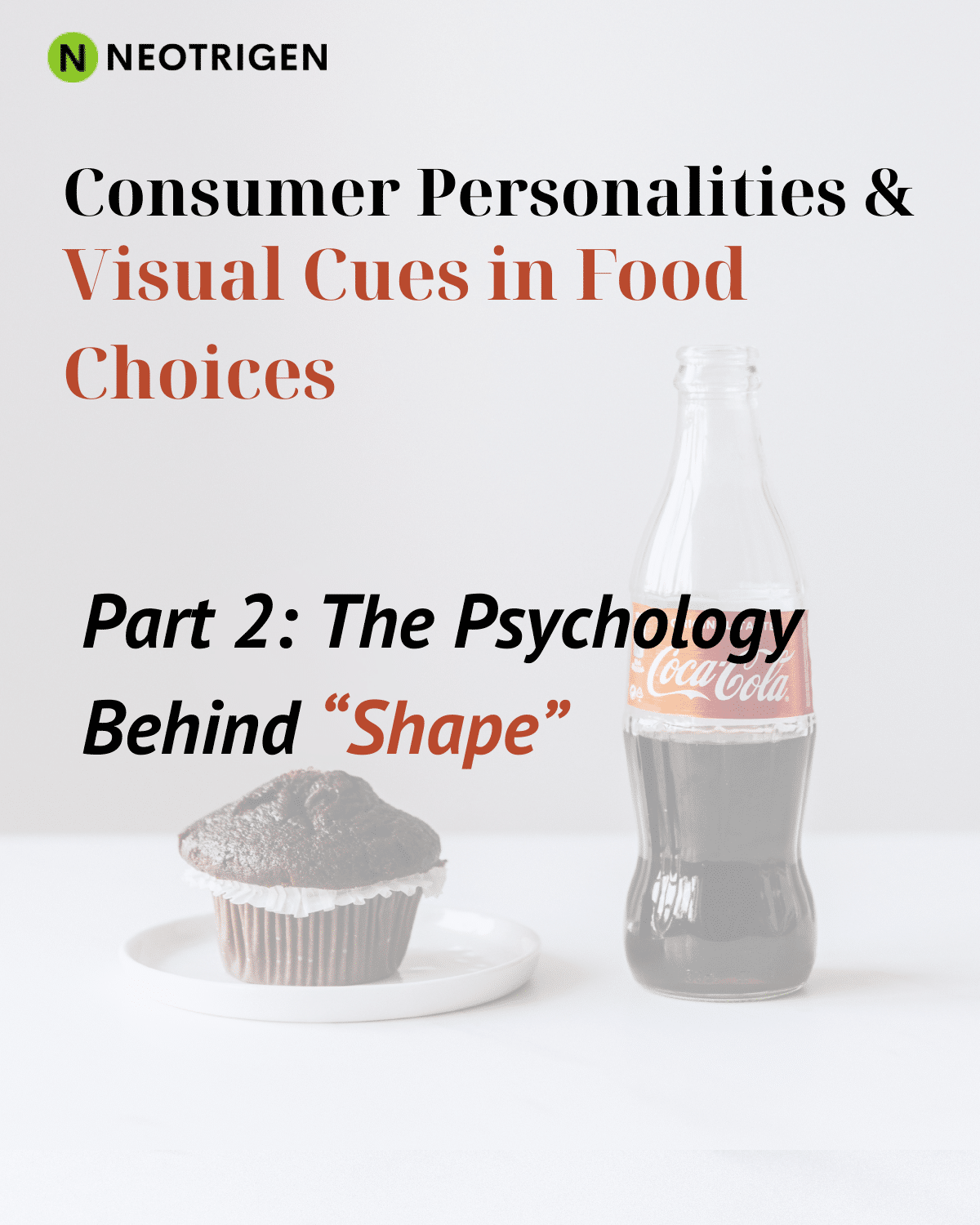
When consumers walk through a supermarket aisle or scroll through an online grocery platform, decisions happen faster than most brands realize. A package shape, a color combination, or even the visual balance of a label can influence whether someone pauses, explores, or moves on in seconds. In the food and nutrition industry, those split-second impressions often determine buying behavior long before ingredients or nutritional claims are reviewed.
This is where Consumer Personalities and Visual Cues in Food Choices become critically important. Packaging shapes, color psychology, and visual interpretation are not simply design choices. They influence trust, emotional comfort, perceived product quality, and even taste expectations.
For modern food brands competing in crowded retail environments, understanding how visual cues connect with different consumer personalities can create a significant advantage. Businesses that align packaging psychology with consumer behavior are far more likely to build stronger engagement, improve shelf impact, and increase repeat purchases.
Consumers are constantly exposed to hundreds of food products every day. Because attention spans are limited, the brain relies on visual shortcuts to make decisions quickly. Packaging becomes a silent communication tool.
A rounded container may feel comforting and familiar. Sharp edges can signal performance or precision. Earth-tone packaging may suggest natural ingredients, while bright colors often create excitement and energy.
These reactions are deeply psychological. More importantly, they vary depending on personality traits, lifestyle preferences, and purchasing motivations.
For food businesses trying to improve conversion rates, shelf visibility, or customer trust, understanding food packaging psychology is no longer optional. It is part of building a product experience that feels aligned with what consumers already expect emotionally.
Shape influences perception before a customer consciously reads a single word on the label. Different packaging structures trigger different emotional responses.
Rounded packaging designs are often associated with warmth, softness, and emotional safety. Curved logos, circular containers, and soft-edged visual elements tend to feel more approachable and less intimidating.
Consumers who value familiarity and emotional reassurance often respond positively to these visual cues. This is especially common in categories like:
For brands targeting wellness-conscious buyers, rounded packaging can help products feel less clinical and more human.
A natural food product with soft visual curves often appears more trustworthy than a rigid, overly aggressive design. This matters because today’s consumers are not only buying products — they are buying emotional confidence in those products.
Sharp lines and geometric packaging structures communicate structure, control, and efficiency. This visual style is commonly used in:
Consumers who prefer highly organized and goal-oriented purchasing decisions often interpret angular packaging as more professional and credible.
However, balance matters. Overly harsh visual systems can sometimes feel cold or unapproachable, especially in categories centered around health, comfort, or everyday nutrition.
The most effective packaging strategies use shapes intentionally based on the emotional mindset of the target audience.
Color is one of the strongest visual triggers in consumer behavior. It affects mood, expectation, appetite, and product interpretation almost instantly.
For brands operating in competitive retail spaces, color psychology in food packaging can directly influence purchase behavior and customer trust.
Muted greens, beige tones, earthy browns, and soft neutral palettes are commonly linked to freshness, sustainability, and natural ingredients.
Health-conscious consumers often associate these colors with:
This is why many premium wellness brands avoid overly saturated or artificial-looking designs. Consumers looking for healthier food choices typically expect packaging that feels calm, balanced, and authentic.
In local grocery markets and health-focused retail environments, packaging that visually communicates honesty often performs better than packaging designed purely for attention.
Bold reds, yellows, oranges, and vibrant color combinations create urgency, stimulation, and energy. These colors are frequently used in:
Consumers who enjoy novelty and sensory stimulation are naturally drawn toward visually energetic packaging.
Bright color systems can help products stand out on crowded shelves, especially in fast-moving retail environments where brands compete for immediate attention.
At the same time, excessive brightness can sometimes reduce perceptions of quality or healthfulness. The challenge is finding a visual balance that aligns with the intended customer experience.
Not every consumer responds to visual cues in the same way. Personality traits strongly influence how food packaging is interpreted.
Understanding these differences allows food brands to design packaging that connects more naturally with their ideal buyers.
Some consumers are drawn toward clean layouts, minimal packaging, and organized visual structures. They often value:
For these buyers, overly cluttered packaging can feel overwhelming or unreliable.
Minimalist packaging styles work particularly well for premium food products, wellness brands, and nutrition-focused categories because they create a sense of confidence without visual noise.
Other consumers actively enjoy visual experimentation and unconventional packaging. Unique typography, unusual shapes, and bold design systems attract attention because they feel different from traditional category norms.
These consumers are more likely to explore:
For brands launching new concepts or targeting younger audiences, creative visual systems can help generate curiosity and encourage trial purchases.
One of the most overlooked aspects of food packaging psychology is how visual design influences taste perception before the product is even consumed.
Consumers often subconsciously expect:
These expectations directly affect product experience.
A consumer does not separate packaging from the product itself. The visual presentation becomes part of how flavor, texture, and quality are interpreted psychologically.
This is why successful food brands carefully align packaging visuals with the actual sensory experience they want consumers to anticipate.
Many businesses still make packaging decisions based on personal preference or temporary design trends. The problem is that visual effectiveness depends heavily on consumer psychology.
A packaging design that appeals to adventurous buyers may fail completely with health-conscious or trust-driven consumers.
Understanding consumer personalities and visual cues in food choices helps brands:
For businesses operating in competitive food and nutrition markets, behavioral insight provides clarity that generic design assumptions cannot.
Modern consumers expect more than functional packaging. They want products that feel aligned with their values, lifestyle, and emotional expectations.
Shapes, colors, layout structures, and visual cues all contribute to how food products are judged within seconds of being seen.
Brands that understand this psychology are better positioned to create packaging experiences that feel authentic, memorable, and trustworthy.
For food and nutrition companies looking to better understand consumer behavior research, food packaging psychology, and consumer personalities in food choices, Neotrigen provides research-driven consumer insight solutions designed specifically for the food and nutrition industry. Through behavioral analysis, consumer studies, and data-backed research methodologies, businesses can better understand how visual cues shape purchasing behavior and how packaging decisions influence real-world consumer engagement.
Understanding why consumers respond to certain shapes, colors, and packaging styles can help food brands make smarter marketing and product decisions. Whether the goal is increasing shelf impact, improving customer trust, or strengthening product positioning, behavioral insight plays a critical role in long-term growth.
Businesses looking to better align packaging design with consumer psychology can benefit from research-driven insights that turn visual decisions into measurable business advantages.
Brands and Consumers by Hepzi Dorathy & Sheena Christensen